
What Qualifications Are Required to Install Electric Boilers?
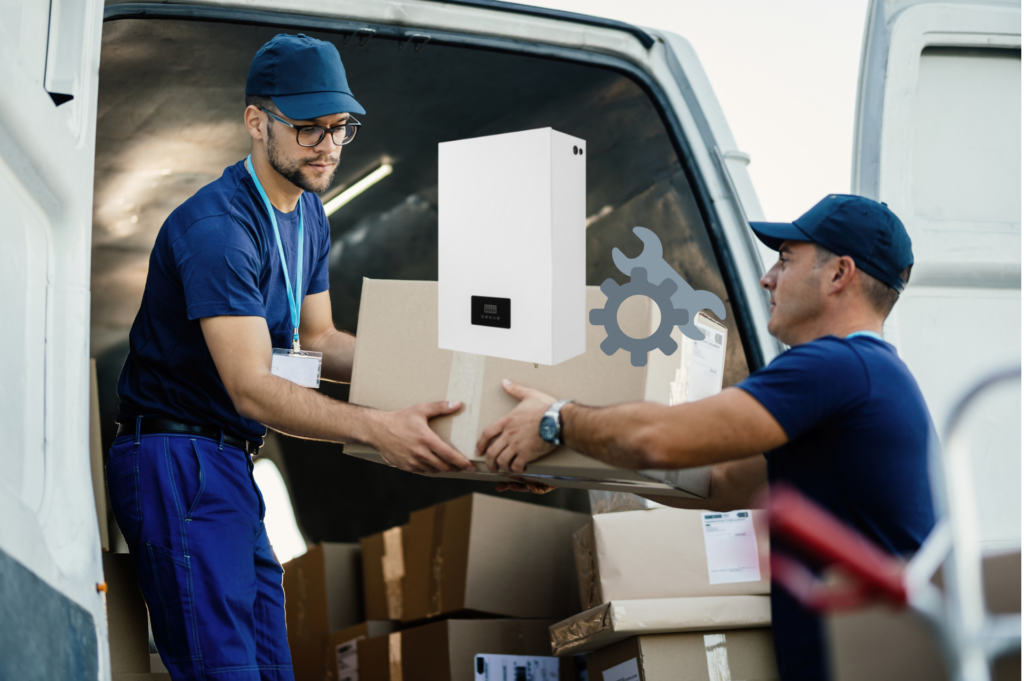
Electric boilers are widely used in residential, commercial, and light-industrial heating projects across Europe, the UK, and North America. Compared with gas or oil boilers, electric boilers are cleaner, quieter, and easier to integrate with renewable energy systems.
However, electric boilers are still high-power electrical heating equipment. Installation must meet strict electrical, safety, and building regulations. This article explains who is legally qualified to install an electric boiler, whether DIY installation is allowed, and the risks installers and end users face when regulations are ignored.
Who Is Qualified to Install Electric Boilers?
In most regions, electric boiler installation must be carried out by a licensed or certified professional. Electric boilers typically operate on high-voltage and high-current systems, which means incorrect installation can cause serious safety risks.
Qualified electricians are required to ensure correct cable sizing, circuit protection, grounding, and compliance with local electrical codes. For Business projects, professional installation is not optional but a standard legal and contractual requirement.
Installer Requirements by Region
European Union (EU)
Within the European Union, electric boiler installation must comply with the Low Voltage Directive and applicable IEC or EN electrical standards. Each country also enforces its own national wiring regulations, such as VDE standards in Germany or NFC standards in France.
Installers are generally required to be licensed electricians or certified HVAC professionals authorized to perform electrical connections. In many cases, installation must be documented and declared to local authorities. Self-installation is strongly discouraged and often results in non-compliance with insurance and safety regulations.
United Kingdom
In the UK, electric boiler installation falls under Part P of the Building Regulations and must comply with BS 7671 wiring standards. Electrical work must be performed or certified by a registered electrician, typically affiliated with organizations such as NICEIC, NAPIT, or ELECSA.
Even when the boiler itself is straightforward to install, failure to follow notification and certification procedures can lead to inspection failures, legal penalties, and insurance invalidation.
United States and Canada
In North America, electric boilers must be installed in accordance with the National Electrical Code in the United States or the Canadian Electrical Code in Canada. Local Authorities Having Jurisdiction usually require permits and inspections before commissioning. Installation must be carried out by licensed electricians or approved HVAC contractors with electrical authorization.
Commercial and multi-family projects always require certified professionals, and undocumented installations can result in serious legal and financial consequences.
Is DIY Installation Legal or Advisable?
While some regions technically allow homeowners to perform limited electrical work, installing an electric boiler without professional qualifications is rarely practical or advisable. High-power heating equipment typically requires permits, inspections, and documented compliance.
In commercial projects, DIY installation is not legal. Even in residential cases, self-installation often leads to failed inspections, voided warranties, and rejected insurance claims.
Risks of Installing Electric Boilers Without Certification
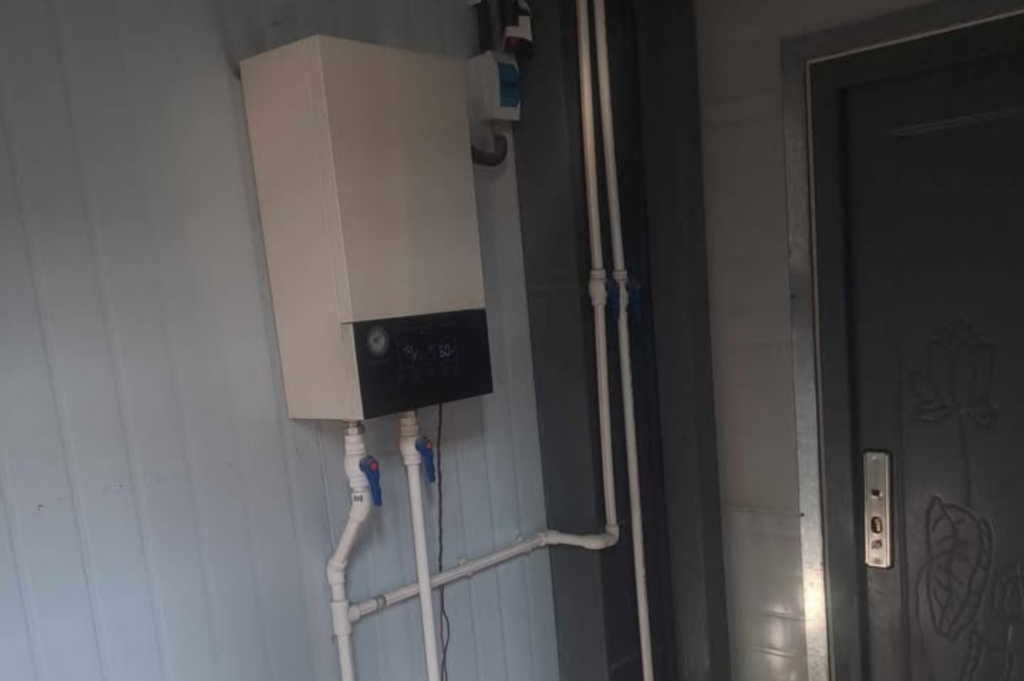
Unqualified installation significantly increases the risk of electrical faults, overheating, short circuits, and fire hazards. Incorrect wiring or insufficient circuit protection can damage the boiler and surrounding infrastructure.
From a legal perspective, improper installation can delay projects, lead to fines, or require full system removal and reinstallation. For B2B installers and distributors, these risks translate directly into liability, reputation damage, and financial loss.
Why Require Professional Electric Boilers Installation
Most electric boiler manufacturers explicitly require installation by qualified personnel as a condition of warranty and certification validity.
Professional installation ensures compliance with CE, UKCA, UL, or ETL standards and guarantees that the system operates within designed parameters. This protects the end user while also safeguarding installers and distributors from avoidable disputes and claims.
What should installers and contractors do?
For professional installers, the safest approach is to treat electric boiler installation as a regulated electrical project. This includes working with licensed electricians, following national and local codes, securing permits where required, and providing customers with proper documentation. These practices reduce risk, improve customer trust, and support long-term business growth in regulated markets.
Conclusion
Electric boilers are efficient and increasingly popular, but they are not consumer DIY products. Across the EU, the UK, and North America, proper electrical qualifications are essential for legal, safe, and insurable installation.
For installers and HVAC contractors, certified installation is not only a legal obligation but also a professional standard that protects projects, customers, and business reputation.