
Electric Boiler Installation Requirements: Who Is Qualified to Install One?
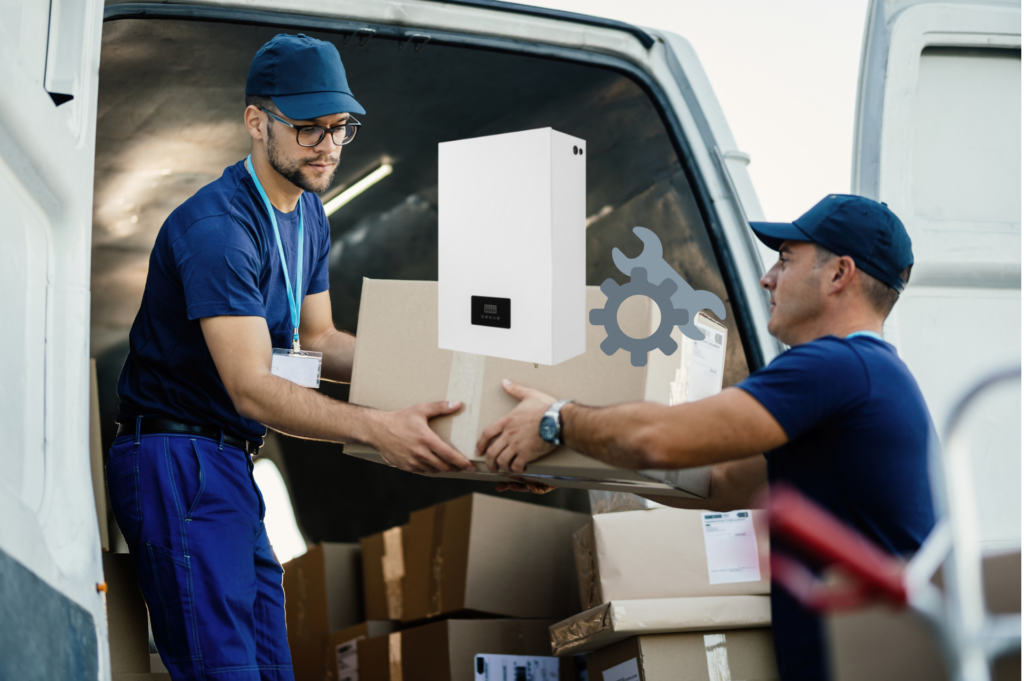
Electric boiler installation requirements involve more than mounting the unit and connecting the pipework. Although an electric boiler has no burner or flue, it is still a high-power electrical appliance connected to a hydronic heating system. Both the electrical supply and the heating circuit therefore need to be checked before commissioning.
However, electric boilers are still high-power electrical heating equipment. Installation must meet strict electrical, safety, and building regulations. This article explains who is legally qualified to install an electric boiler, whether DIY installation is allowed, and the risks installers and end users face when regulations are ignored.
Who Is Qualified to Install Electric Boilers?
An electric boiler has no burner or flue, but that does not make installation a simple plug-and-play job.
It is a high-power electrical appliance connected to a hydronic heating system, so both the electrical supply and the heating circuit need to be checked before commissioning.
For installers, contractors, distributors, and project buyers, the main questions are practical: Who can install the boiler? Does the project need both an electrician and a heating installer? Can the existing electrical supply support the required boiler output?
Electric boiler installation requirements vary by country and project, but the basic installation logic is similar.
Quick Answer: Who Can Install an Electric Boiler?
Electric boiler installation normally involves two areas of work.
A heating, HVAC, or plumbing professional may handle boiler mounting, pipework, pumps, expansion vessels, radiators, underfloor heating, and hot water cylinder connections.
The electrical supply, circuit protection, isolation, earthing or grounding, testing, and final electrical connection may need to be completed or verified by a suitably qualified electrical professional.
In some markets, one contractor may be qualified to complete both parts. In others, separate heating and electrical trades are required.
Local electrical, building, permit, and inspection requirements should always be checked before installation begins.
What Qualifications Are Needed to Install an Electric Boiler?
There is no single electric boiler installer qualification that applies worldwide.
The person carrying out each part of the work needs to be competent and, where required, legally authorised to perform it.
The heating side requires knowledge of:
- system flow and pressure;
- pipe sizing;
- pumps and expansion vessels;
- radiators or underfloor heating;
- controls;
- filling, flushing, and commissioning.
The electrical side requires an understanding of:
- available supply capacity;
- voltage and phase;
- cable selection;
- circuit protection;
- isolation;
- earthing or grounding;
- electrical testing.
Boiler output should also be confirmed before installation. A proper electric boiler sizing assessment should be based mainly on the building’s design heat loss rather than floor area alone.
Electrician or HVAC Installer: Who Does What?
In many projects, the hydraulic and electrical work are handled separately.
Heating or HVAC Installer
The heating installer normally manages the water side of the system.
Typical responsibilities include mounting the boiler, connecting flow and return pipework, checking circulation, installing pumps or expansion vessels, connecting radiators or underfloor heating, filling and flushing the system, and preparing it for commissioning.
If the project uses an electric system boiler with an external hot water cylinder, the installer must also consider cylinder controls, system flow, and domestic hot water demand.
For an electric combi boiler, available electrical output and incoming water conditions directly affect hot water performance.
Electrical Professional
The electrical side starts with a load assessment.
The building must have enough capacity to operate the boiler together with other major electrical loads.
The electrical professional may need to check:
- incoming electrical supply;
- distribution board capacity;
- single-phase or three-phase supply;
- protective devices;
- cable requirements;
- isolation;
- earthing or grounding;
- testing requirements.
This assessment should be completed before the boiler is ordered.
A boiler may be correct for the heating load but still unsuitable for the site if the electrical infrastructure cannot support it.
Electrical Requirements Before Installing an Electric Boiler
Several electrical checks should be completed before commissioning.
Available Electrical Capacity
The first question is whether the building has enough spare capacity.
Other large loads such as electric water heaters, EV chargers, cooking equipment, air conditioning, or machinery may already use a significant part of the available supply.
If capacity is uncertain, see our guide on whether an electric boiler installation requires an electrical upgrade.
Single-Phase or Three-Phase Supply
Smaller boilers may be suitable for single-phase power, while higher-output models often use three-phase supplies.
The correct option depends on boiler capacity and the electrical infrastructure available at the site.
For a detailed comparison, see our single-phase vs three-phase electric boiler guide.
Circuit Protection and Cable Selection
High-power electric heating equipment requires a circuit designed for the actual appliance load.
Cable size cannot be selected from boiler kW alone.
Current, voltage, cable length, installation method, ambient temperature, grouping, and local electrical rules can all affect the final specification.
For this reason, electrical design should be confirmed for the actual installation rather than copied from a generic online sizing table.
Isolation, Earthing and Testing
The boiler should be capable of being safely isolated for maintenance and servicing.
Earthing or grounding, electrical testing, and commissioning should follow the applicable local regulations and the manufacturer’s installation instructions.
Electric Boiler Installation Requirements by Region
Installer requirements are not the same in every market.
| Region | Main Point |
|---|---|
| European Union | Installer rules mainly depend on national regulations |
| England | Part P applies to electrical safety in dwellings |
| United States | Licensing, permits, code adoption, and inspections vary by state and local jurisdiction |
| Canada | Electrical requirements are mainly provincial or territorial |
European Union
There is no single EU-wide licence specifically for electric boiler installers.
Electrical installation rules are mainly established at national level, so requirements in Germany, France, Poland, Italy, and other EU countries can differ.
Product compliance is a separate matter.
The EU Low Voltage Directive 2014/35/EU covers electrical equipment placed on the EU market within its specified voltage range and sets product safety and conformity requirements.
A compliant boiler must still be installed according to the manufacturer’s instructions and the electrical and building rules that apply in the country of installation.
England
In England, Part P of the Building Regulations covers electrical safety in dwellings.
The UK government’s Approved Document provides guidance on design, installation, inspection, testing, and when electrical work may need to be notified.
Installers should confirm whether the proposed work is notifiable and which compliance route applies.
Requirements in Scotland, Wales, and Northern Ireland are not identical, so they should not automatically be treated as the same system.
United States
The United States does not have one nationwide electric boiler installer licence.
Electrical codes, contractor licensing, permits, inspections, and boiler requirements may vary by state and local jurisdiction.
Commercial and multifamily projects should be checked against the requirements of the local Authority Having Jurisdiction before installation.
Canada
Canadian electrical requirements are mainly administered through provincial and territorial systems.
Contractor licensing, permits, inspection procedures, and local approvals can therefore differ between provinces.
Distributors supplying electric boilers across Canada should confirm requirements for the actual installation location rather than applying one provincial rule nationwide.
Can You Install an Electric Boiler Yourself?
There is no universal yes-or-no answer.
Some jurisdictions allow property owners to complete limited work under certain conditions. Others restrict specific electrical work or require permits, inspections, certification, or licensed professionals.
There is also an important difference between mounting a boiler or connecting pipework and making a high-current electrical connection.
Even where some homeowner work is permitted, that does not automatically mean the homeowner is authorised or competent to complete every part of the installation.
For professional projects, heating and electrical responsibilities should be agreed before work begins.
Common Electric Boiler Installation Problems
Many faults blamed on the boiler actually begin with the installation.
Common examples include:
- insufficient electrical capacity;
- incorrect voltage or phase selection;
- unsuitable circuit protection;
- undersized or incorrectly selected cabling;
- poor earthing or grounding;
- inadequate water flow;
- trapped air in the heating circuit;
- incorrect pump or expansion vessel setup;
- boiler output selected without a heat-loss calculation.
These issues can lead to breaker trips, poor heating performance, unstable system pressure, overheating protection, component stress, or commissioning delays.
Collecting the voltage, phase, available electrical capacity, heating load, and system type at the quotation stage prevents many of these problems before the boiler reaches the site.
Electric Boiler Installation Checklist for Contractors
Before confirming a boiler for a project, check:
- building heat loss;
- required boiler output;
- available voltage;
- single-phase or three-phase supply;
- spare electrical capacity;
- circuit protection;
- cable requirements;
- heating-system type;
- pump and water flow;
- control strategy;
- local permit or inspection requirements;
- commissioning and handover documentation.
For higher-output boilers, electrical capacity and phase availability should be confirmed especially early.
Changing the boiler after delivery because the site cannot provide the required power is an avoidable project cost.
Product Certification Does Not Replace Installation Compliance
Product conformity and installation compliance are different.
Certifications or conformity markings such as CE, UKCA, UL, or ETL relate to the product and its applicable certification framework.
They do not replace local electrical codes, building regulations, permits, inspections, or installer requirements.
The boiler should therefore be installed according to both the manufacturer’s instructions and the rules that apply at the project location.
FAQ
Do you need an electrician to install an electric boiler?
The electrical connection may need to be completed, tested, or certified by a suitably qualified electrical professional. Heating-system work may be carried out by an HVAC technician, heating engineer, or plumber, depending on local requirements.
Does an electric boiler need a dedicated electrical circuit?
Electric boilers normally require an electrical supply designed for the appliance load rather than connection to a standard general-purpose circuit. The final design should follow the boiler specification and applicable electrical requirements.
Can an HVAC installer wire an electric boiler?
Only if the installer has the qualifications and legal authorisation required for that electrical work. HVAC competence alone does not automatically permit high-power electrical installation.
Does an electric boiler always require an electrical upgrade?
No. It depends on boiler output, existing service capacity, other electrical loads, voltage, and phase configuration. The supply should be assessed before the final boiler model is selected.
Conclusion
Electric boiler installation requirements should be checked before the boiler is ordered, especially for higher-output residential and commercial projects.
The selected boiler must match both the building’s heating demand and its available electrical supply.
In many projects, the heating installer manages the hydraulic system while a qualified electrical professional checks the supply, circuit protection, wiring, testing, and any required certification.
For distributors and contractors, confirming these details early reduces installation delays, unnecessary site changes, and avoidable after-sales problems.
JNOD supplies electric system boilers, electric combi boilers, open-vented boilers, and higher-output electric heating solutions for residential and commercial projects.
For project selection, provide the heating load, application, voltage, phase, heating-system type, and domestic hot water requirements. This makes it easier to match the boiler configuration to the actual site conditions.